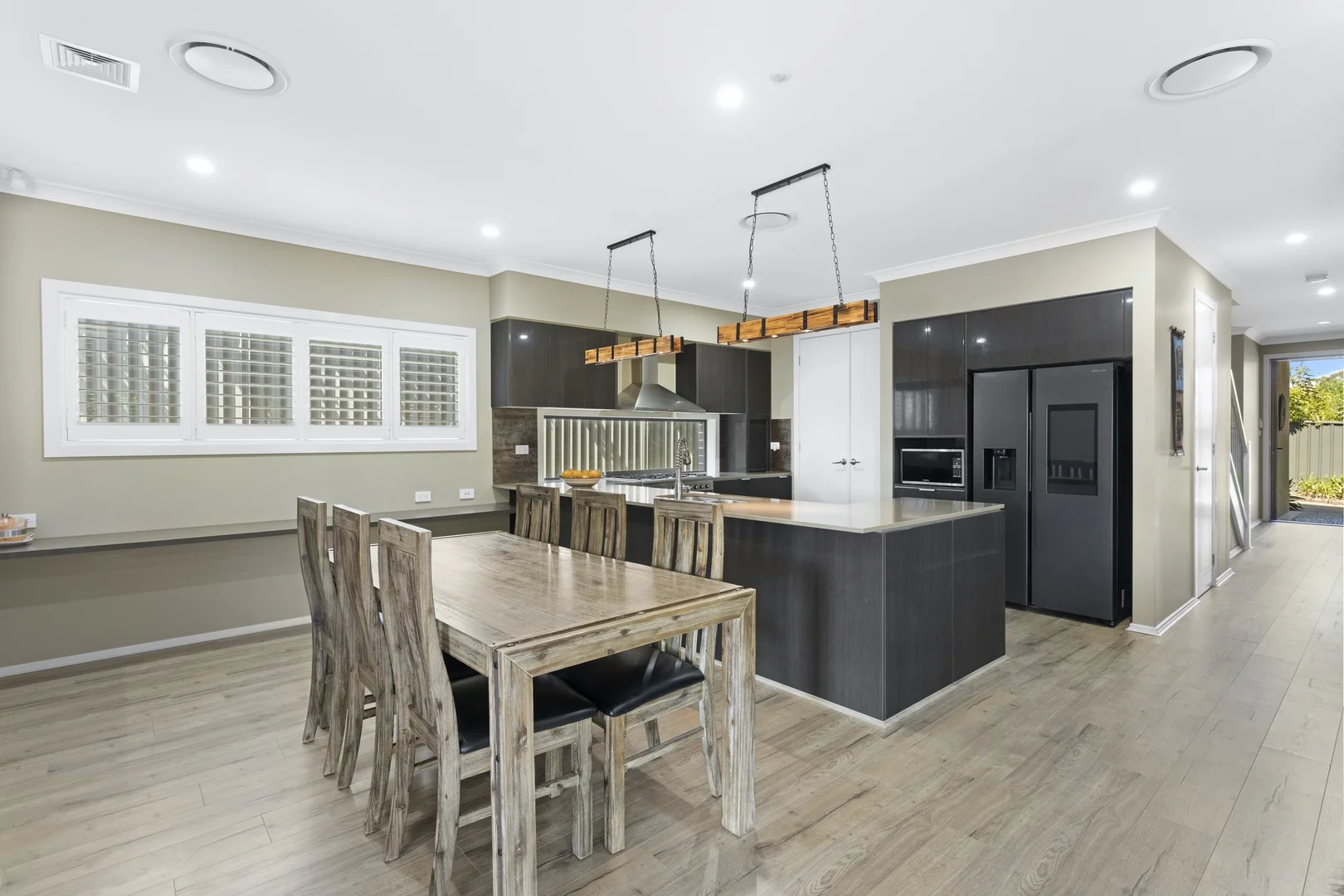
The Power of Small Groups
Small groups are one of the most important design principles in high-quality dementia care.
At Oakheart, this is not just a nice idea — it is the clinical and human foundation of everything we do.
Boutique Living,
Evidence-Based Results
When we designed Oakheart, we asked a simple question: what does the science say actually helps people living with dementia feel safer, calmer, and more themselves?
The answer, consistently, is smaller. Quieter. More familiar. More human. The small-group model — sometimes called the "household model" — has been adopted by leading dementia care providers across Europe and is increasingly recognised in Australia as the gold standard for high-quality, person-centred care.
6–10
Residents per household
Why Small Groups Work
Neuroscience
Reduced Cognitive Overload
People living with dementia struggle to process noise, multiple conversations, fast movement, and too many faces. Large facilities create constant, overwhelming stimulation. Small groups of 6–10 residents mean quieter spaces, a slower pace, familiar faces, and predictable routines — directly reducing agitation, wandering, and behavioural escalations.
Wellbeing
Stronger Emotional Security
Dementia increases anxiety because short-term memory fades, orientation is lost, and environments feel unfamiliar. In a small home, staff know residents deeply, residents recognise each other, and daily rhythms become predictable. This creates felt safety — which directly reduces distress behaviours and periods of emotional unsettledness.
Person-Centred Care
Better Staff-to-Resident Relationships
In large facilities, staff rotate frequently and care can feel task-based. In small homes, staff consistency is higher, carers understand individual triggers, and personal history is remembered. This aligns with best-practice person-centred care models promoted by leading dementia experts, who emphasise familiarity and relational continuity above all else.
Independence
Home-Like Environment Improves Function
Unfamiliar layouts increase confusion and can lead to residents feeling lost or unsettled. Small group homes have one kitchen, a shared dining table, a visible lounge, and short corridors. Residents can see where they are going, participate in simple everyday tasks, and maintain their independence for longer. Research globally shows better quality-of-life outcomes in homes under 12 residents.
Clinical Outcomes
Fewer Behavioural Incidents
Large facilities often see sundowning escalations, inter-resident conflict, and higher medication reliance. Smaller homes show reduced medication needs, fewer falls, and less reliance on physical intervention. When triggers are minimised through familiar environments and consistent relationships, residents simply thrive.
Family Peace of Mind
Families Feel Confident & Comfortable
Families prefer a home, not an institution. They want personal attention for their loved one and familiar staff who know their family member by name and by story. The small-group model delivers this — and it matters commercially too, supporting higher perceived value, stronger word-of-mouth, and better occupancy stability.
Boutique dementia living. Household model care. Intimate, relational, dignified support. This is not a compromise — it is the highest standard.
Designed Around Intimacy & Familiarity
Oakheart was designed from the ground up around the small-group principle. Our residence accommodates a carefully curated number of residents, ensuring that every person is known — by name, by story, by preference, by personality.
- One shared kitchen at the heart of daily life
- Communal dining that mirrors a family table
- Short, navigable corridors without confusing intersections
- Consistent care team with genuine continuity
- Predictable daily rhythms and routines
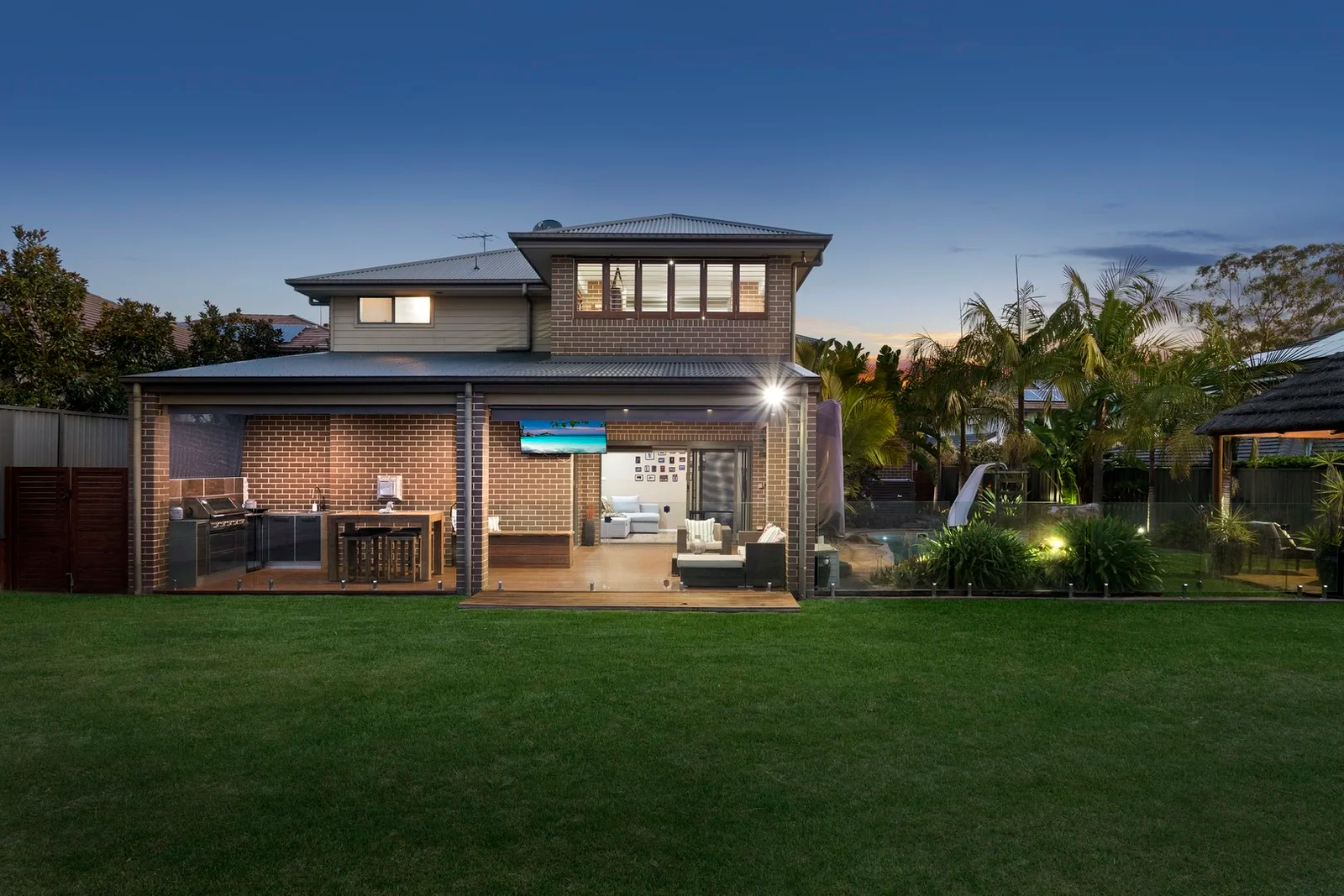
- Outdoor spaces that feel like a private garden, not a facility